
Insurance by added scope
Hardscape, Deck and Patio Insurance for Pool Builders
For the pool company whose crews also pour patios, set pavers, build retaining walls, frame decks and drop in spas — coverage written for the scope you actually perform, not the scope you performed two seasons ago.
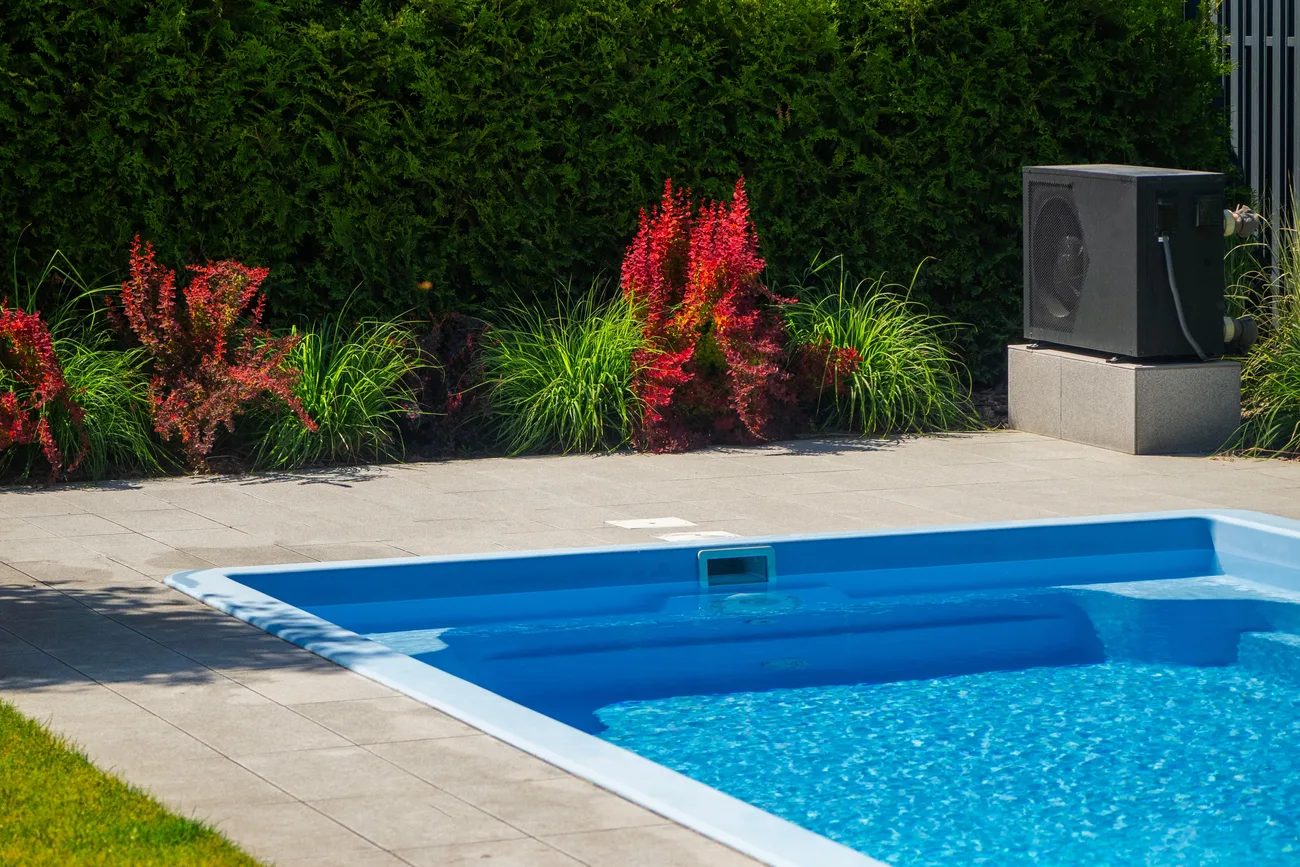

Most pool builders do not decide to become hardscape contractors. It happens one change order at a time. The shell goes in, the client asks about the surround, and by the second season the crew is pouring flatwork, cutting pavers, setting a retaining wall, framing a deck section, and landing a spa on a pad they built. The contract still says pool. The operation no longer is.
This page is the placement side of that. We write pool contractors whose scope includes the surround, and we write it as one operation with several classifications rather than as a pool account with a complication bolted on. If what you want first is the mechanism — why the classification moves, how an elevated structure changes the shape of your completed-operations exposure, and where an equipment schedule quietly stops — the hardscape, decks and spas explainer works through all of it in detail.
What follows is narrower: who this is for, the stack we build, what we need from you to quote it, and how an underwriter reads the submission.
Pouring, paving, framing or setting spas alongside the pool work? Get it quoted on the real scope.
Get a Free QuoteWho this page is for
You build or renovate pools, and your crews also perform some meaningful share of what surrounds them. That share is what puts you here. In practice it looks like concrete flatwork and pool decking, paver and stone patios, retaining and seat walls, coping and stonework, wood or composite deck framing and railings, spa and hot-tub installation, and the water features, outdoor kitchens and fire features that increasingly come attached to the same contract.
It also covers the operator who does not self-perform any of it but keeps ending up in the middle of it — coordinating a deck builder, subcontracting a mason, carrying the contract with the client while somebody else pours. That is a different exposure than self-performing, and it is still an exposure, because your agreements and your certificates are what decide where a loss lands.
If your work is entirely the pool itself, the Pool Construction Insurance page is the right starting point. If you run recurring maintenance routes, start with Pool Service Insurance. This page assumes you are doing pool work plus the surround and want both rated properly.
What we are actually solving for
Three things move when the surround becomes your scope, and each one is a placement problem rather than a coverage philosophy. The consequences are what matter here; the explainer works the mechanisms.
- Classification. Concrete, masonry, and deck framing are rated as their own operations because they behave as their own operations. If they are not on the policy, the payroll surfaces at audit in a class nobody agreed to. Our job at placement is to get the mix described before it is discovered.
- Completed operations under general liability. A pool that fails is generally a property loss. A deck, a railing, or an elevated surround that fails is a bodily-injury loss involving people who were nowhere near the job when you built it. That moves completed operations from a secondary concern to the sharpest line in your program, so we read what the form includes, what it excludes, and how the subcontracted-work wording reads.
- The contractors equipment schedule. New work brings new machines — compactors, saws, mixers, screeds, a skid steer that grades rather than digs — and a schedule does not update itself. We reconcile the machine list against the form before a theft does it for us.
The stack when the surround is in scope
The lines are the same ones a pool builder already carries. What changes is the weighting and, in two places, what the form has to be checked for. Each line links to its full page.
- General liability — carries more here than it does on a pool-only program, because completed operations now includes structures that hold people up. Read for exclusions, sublimits, the subcontracted-work wording, and how long the coverage stays available after a job closes.
- Contractors equipment — the machines the new work required, and a theft profile that spreads smaller, more portable tools across more sites at once than a pool build does.
- Workers compensation — where the classification question bites hardest, because flatwork, masonry, and framing carry their own rates and their own injury patterns.
- Umbrella liability — the excess limits general contractors, commercial owners and larger residential contracts ask for, sitting above a primary that now answers for elevated structures.
- Commercial auto — the trucks and trailers hauling material and machines between more sites than a build-only schedule created.
- Commercial property — the shop and the yard, now holding stone, pavers, block, lumber and mix alongside pool materials.
What we need from you to quote it
The submission does the work, so the intake is specific. Bring your current declarations pages and the endorsement schedule, the split of your work across pool construction, service, and each type of surround work you perform, your payroll broken out by the crews that do each, your equipment list including anything added since the last renewal, your subcontract agreement and the certificates you hold from subs, any contract limit requirements you are being asked to meet, and your loss runs. If some of that is approximate, say so — an approximate answer you flag is workable, and a confident one that turns out to be wrong is not.
How an underwriter reads it
A carrier writing this class is deciding whether it is looking at a pool contractor with some incidental surround work or a general site contractor that also builds pools, and the answer determines both appetite and rate. What moves them favorably is a clear breakdown of operations, payroll that ties to the described mix, deck and elevated-structure work that is either self-performed by trained crews or subbed to insured subs with documentation, an equipment schedule that matches the machines on the trucks, and clean losses. What narrows the market is undeclared operations discovered at audit, deck or railing failure history, subcontractors without certificates, and a description of operations that has not been updated in several renewal cycles. We position the account to the markets that want it rather than sending one generic submission everywhere.
What this costs
Premium follows the operations and the payroll behind them, not a sticker price. The drivers that move it here are the share of work that is hardscape, decking, or spa installation versus pool construction, the classifications that share applies to, whether elevated structures are in the mix, the value and portability of the equipment you own, how much is subcontracted and how well documented that is, the limits your contracts require, and your loss history. Adding scope adds rated exposure — and it removes an audit surprise and a coverage argument. We price the real picture and stand behind any figure we give; verified ranges come from us directly, never a generic guess.
Why Pool Guard Insurance
We write one trade, which means we already know that a pool contractor is rarely only a pool contractor by the third season. We split the operation into the classes it actually contains instead of averaging it, read the completed-operations wording before an elevated structure makes it matter, get the new machines onto the schedule while they are still new, set the subcontractor and certificate discipline that keeps somebody else’s loss off your policy, and market the account to carriers that want a builder with a real scope rather than a tidy one. Start with a quote, or send us a subcontract and we will tell you what it requires of your program.
Learn more
The mechanism behind everything on this page is worked through in Adding Hardscape, Decks and Spas to a Pool Build. For the operating model underneath the added scope, see Pool Construction Insurance or Pool Service Insurance, and the services overview explains how the two models differ.
Coverage for pool builders performing hardscape work
- General Liability Insurance
- Commercial Auto Insurance
- Contractors Equipment Insurance
- Workers Compensation Insurance
- Umbrella Liability Insurance
- Commercial Property Insurance
Primary sources
Frequently asked questions about Hardscape Insurance
Do I need a separate policy for my hardscape work?
Usually not a separate policy — usually a correctly described one. In most cases the hardscape, decking, and patio operations are added to the program you already carry, as additional classifications with their own payroll and their own rate, alongside the pool work. A separate policy becomes the answer only when a carrier will not write the added operation at all, or when the hardscape side has grown large enough to be its own business rather than an extension of the pool business. We would rather widen a program that is already working than start a second one for its own sake.
Can you write the pool work and the hardscape work on one program?
That is the outcome we are aiming for, and it is achievable more often than operators expect. The obstacle is rarely the carrier’s appetite for the work itself — it is a submission that describes a pool contractor and then quietly contains flatwork, masonry, and deck framing payroll. Presented properly, with the mix broken out and the operations named, a specialty market that writes pool contractors will frequently write the surround as well. We market it as one operation with several classifications rather than as a pool account with a complication attached.
What if I subcontract the hardscape instead of self-performing it?
Then your exposure moves rather than disappears, and what carries it is your paperwork. The questions become whether your subcontract agreements require coverage, whether you actually collect certificates before the sub starts, whether additional-insured status flows the right direction, and how your own general liability form treats work performed on your behalf. An uninsured subcontractor tends to become your exposure at claim time and your payroll at audit. We set those requirements with you rather than discovering the gap afterward.
Will adding hardscape scope raise my premium?
It changes the rating basis, and the honest answer is that the direction depends on the mix. You are adding operations with their own classifications and their own payroll, so there is more exposure being rated. What you are also doing is removing the risk that payroll turns up at audit in a class that was never on the policy, and removing an argument at claim time about whether the work was contemplated. We would rather quote the real scope up front than deliver a lower number that an audit corrects later.
Will my certificate show the hardscape work?
A certificate evidences the policy, so it reflects what the policy says — which is exactly why the description of operations matters before anyone requests one. A general contractor or property manager reading your certificate against a subcontract that names patio, paver, or deck work will look for the operation to be recognizable in the policy behind it. If your certificate says pool construction and your subcontract says flatwork, that is a conversation you do not want to be having on a Friday afternoon. We line the description up with the contracts you actually bid.
Insure the scope you perform, not the one you started with
Tell us what your crews actually build — pool, patio, deck, spa, and everything between — and we will market it to carriers that write the whole operation.